
Bespoke Conservatories

why choose a classical period timber conservatory?

The Benefits Of Choosing
A Timber Conservatory Home Extension
The difference between an Orangery and a Conservatory is often muddled. We tend to use the term Conservatory as a reference for a glazed building with a predominantly glazed roof. Often, conservatories incorporate more elaborate extensions with design cues from past times to enhance a sense of grandeur, including temperate structures where maximum light is desired.
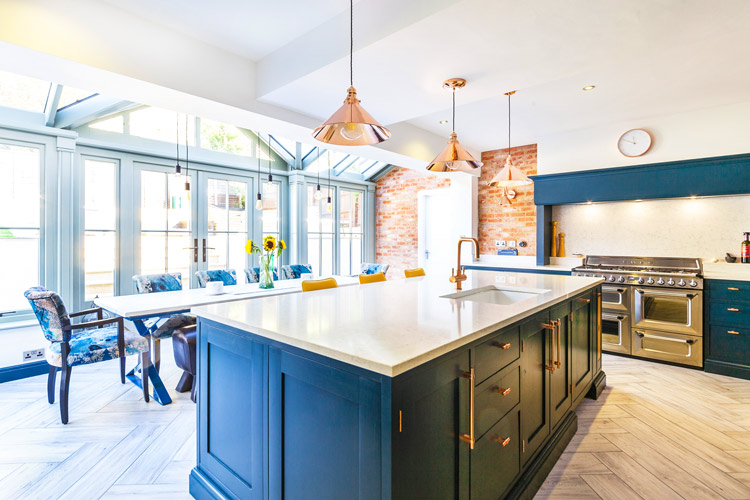
Maximum Light
Unimpeded natural light via the maximum use of glass, particularly suited to north facing extensions.

Elegant Structures
Sophisticated framing and additional height creating the most open home structures imaginable.
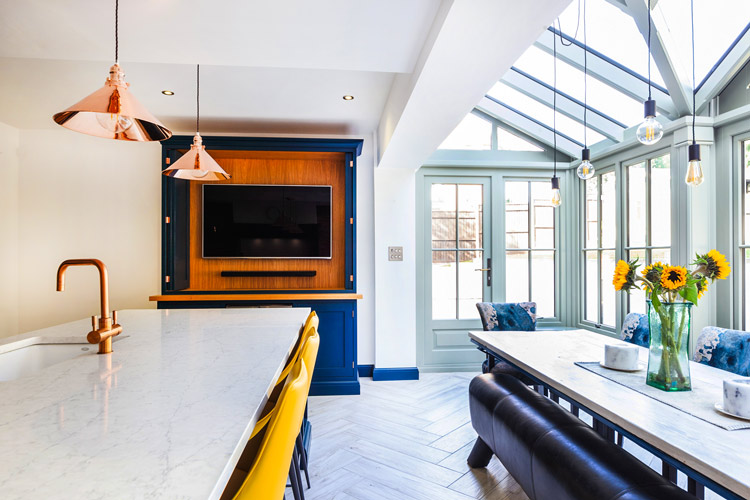
Traditional Charm
More in common with the period glass house, but updated to suit modern lifestyles.
Today our Bespoke timber conservatories are much more refined than their historical counterparts and more suited to everyday living. Glazing technology, upgrades to insulation and durable hardwoods within these buildings make them a space to enjoy all year round. We have been fortunate to be chosen on many occasions to upgrade old-style conservatories, as our modern-day insulated structures retain the charm and elegance of the original buildings.
Conservatories In Times Past
There are many theories about how and when the Conservatory came about but most agree on the principal use of cultivation of plants and food during the cooler months. Examples of the first recorded grand Conservatories would be the Georgian Glasshouse at Kew or the Glasshouses at Oxford Botanic Garden. Steel became a feature during the 1800-1900s allowing greater spans to be achieved without the need for large supports. The Crystal Palace, designed and constructed over a six-month period in Hyde Park during the Victorian era, covered an area of around 800,000 sq ft; an astonishing piece of engineering at that time.
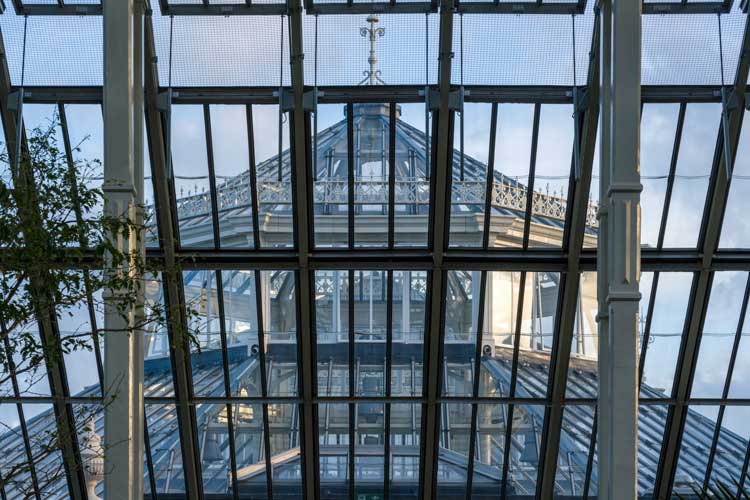
Victorian Glasshouse
Fine period detailing, ornate roof finials and ridge cresting, steel column supports and slimline glazing panels make for some of the most beautiful glasshouses. The Duke of Northumberland's London home, Syon House, has a spectacular example which is well worth a visit.
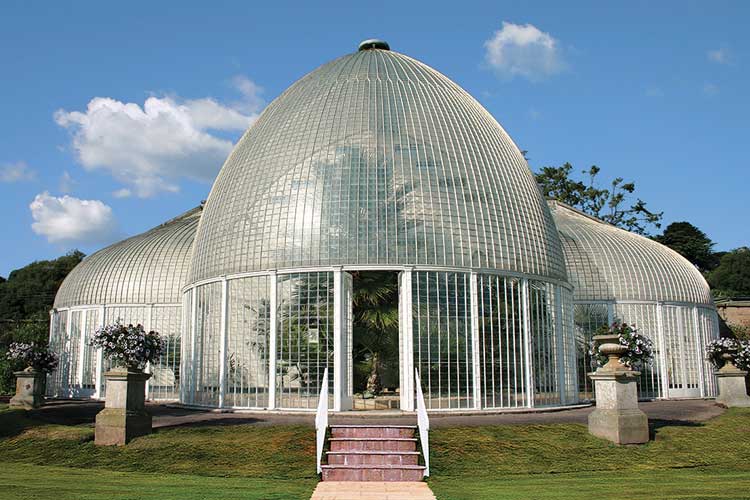
Botanical Glasshouse
A delicate curve can be used to achieve a strong majestic structure, like this beautiful and unusual plant house at the Royal Botanic Gardens in Kew. Having a very time consuming, labour-intensive build process does require deep pockets though!.
Glass houses solely designed to house tropical plant collections were always intended to be buildings with status. At Bespoke, we attempt to emulate a similar sense of grandeur on a smaller scale.
We have come a long way since the Georgian beginnings, but Bespoke Orangeries & Conservatories still use hardwood timbers with delicate mouldings, albeit preserved by technologically advanced paints to ensure longevity. We also use slimline glazing, albeit now double or triple skinned, filled with an inert gas to insulate from the hot and cold climates and steel supports hidden away behind a timber façade. Yes, we have moved on; we have learnt and enhanced, however, we have remained true to our heritage. Perhaps that's what you may require for your home.
to arrange your free bespoke, no obligation, conservatory consultation please call our team or complete our quick project enquiry form
The Bespoke Orangery & Conservatory Company Ltd., Barnaby Rudge, Copperfield Crescent, Higham, Kent, ME3 7NJ